Overview
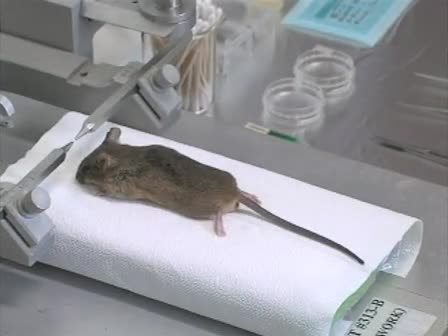
This method describes the generation of organotypic cerebellar cultures and the effect of certain apoptotic stimuli on the viability of different cerebellar cell types. The study investigates the impact of fast ligand on cerebellar cells from wild type and mutant mice.
Key Study Components
Area of Science
- Neuroscience
- Cell Biology
- Apoptosis
Background
- Understanding cerebellar cell viability is crucial for neuroscience.
- Fast ligand is known to induce apoptosis in various cell types.
- Organotypic cultures maintain the structural integrity of cerebellar tissues.
- Comparative studies between wild type and mutant mice provide insights into developmental differences.
Purpose of Study
- To investigate the effects of fast ligand on cerebellar cell populations.
- To compare the responses of wild type and knockout mice.
- To enhance understanding of cerebellar physiology and pathology.
Methods Used
- Dissection of cerebellar tissues from postnatal mice.
- Slicing of cerebellar tissues into 400 micrometer sections.
- Culture of cerebellar slices for five days prior to treatment.
- Immunofluorescent staining to analyze apoptotic markers.
Main Results
- Fast ligand treatment induces apoptosis in specific cerebellar cell types.
- Differences in cell viability were observed between wild type and knockout mice.
- The method allows for detailed analysis of cerebellar cell responses.
- Insights gained can inform future studies on cerebellar function.
Conclusions
- Organotypic cerebellar cultures are effective for studying cell viability.
- Fast ligand serves as a useful tool for investigating apoptotic pathways.
- This method can be adapted for studies in other brain regions.
What is the significance of using organotypic cultures?
Organotypic cultures maintain the structural integrity of tissues, allowing for more accurate physiological studies.
How does fast ligand affect cerebellar cells?
Fast ligand induces apoptosis, which can be analyzed through specific immunofluorescent markers.
What are the advantages of using wild type and knockout mice?
Comparative studies provide insights into genetic influences on cerebellar development and function.
What is the importance of dissection and slicing skills?
Proper techniques are crucial for obtaining healthy cerebellar slices that maintain their viability.
Can this method be applied to other brain regions?
Yes, the methodology can be adapted for studying other areas such as the cortex and hippocampus.

 繁體中文
繁體中文